

Why Your AI Performance Requires a Critical Role
Part 2: Setting Your Strategic AI Literacy Foundation with AI Style
What happens when you release a high-performance technology without training, preparation, intention, or control? You get raw unmanaged speed colliding with an unknown and undirected course. This is the reality of AI adoption: a tool of potent capability is now racing through business environments, on personal and professional devices, phones, and agents.

An AI-generated image (Adobe Firefly) creates an easy output, but it cannot support business outcomes with consistency, assurance, and trust.
When OpenAI released ChatGPT in November 2022, it reached a million users in five days—faster than nearly any product in digital history. This raw, unmanaged speed is the core problem. When capability accelerates faster than human understanding, ahead of the controls that understand it, the car crashes into the only natural barriers in its way: customers, regulators, markets, and media. In the ensuing two years, we haven’t stopped racing; the car and track are evolving at breakneck speeds.
Today, your teams, partners, competitors, and customers grip the wheel of tools as potent and unpredictable as that F1 car. But they haven’t spent years in strategic briefings, earning their seat at the AI table like an F1 driver. They don’t even know where the track is or how the car should perform. Accepting the outputs of an AI is like letting the car drive itself, not recognizing or scrutinizing where you are going, or understanding that it is driving your doing is harmful.
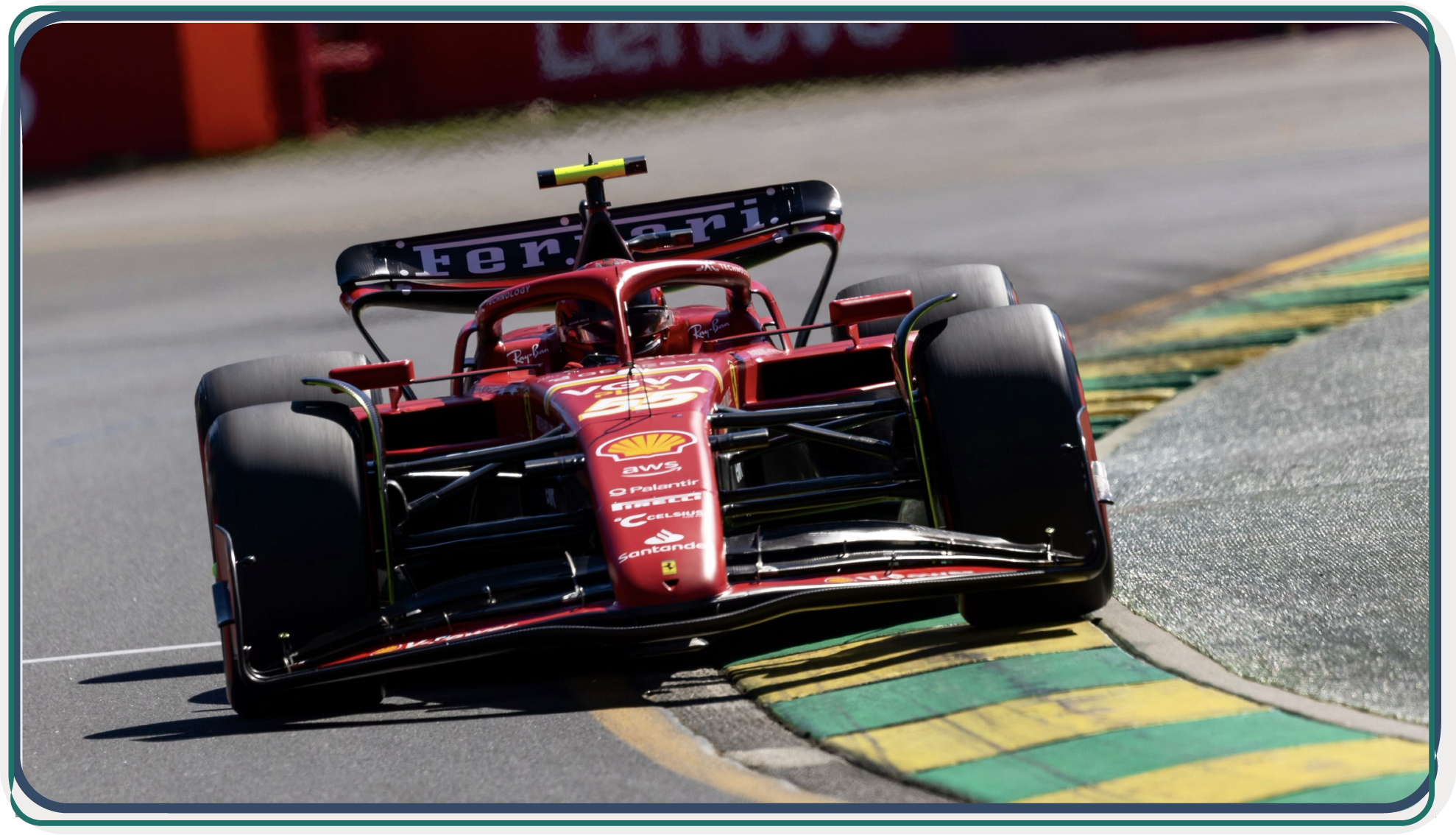
This image captures the raw power and potential of an F1 car. Victory or crash? Expert navigation or impending mishap? This image alone offers no answers. Context is key: track knowledge, guardrails, car capabilities, and driver skill are essential to understanding the situation. Source: Dreamtime.
More than Guardrails
Guardrails manage crashes. While it is critical to move these systems onto the track and build in guardrails to constrain and focus their performance, compliance-focused governance is not enough.
If braking is the only control you give your people, you won’t get very far with AI.
In fact, your employees are bringing their own race cars to work on their phones and devices, racing around the office track.
An F1 car and a machine like AI reward mastery. The core challenge facing leaders now is not merely keeping AI under control—it is helping people use it well.
The Solution: The Race Engineer
No Formula 1 driver races alone. Behind every lap is a team of engineers monitoring performance, analyzing data, and offering split-second insight. This information typically comes from one voice: The Race Engineer.
Part strategist, coach, and technician, the Race Engineer is the driver’s constant guide, connecting cockpit decisions to the bigger picture. The Race Engineer doesn’t just issue commands—they provide confidence. They interpret the track, anticipate risks, and help drivers push the car to its llimits—safely, skillfully, and in sync with team objectives.
In your organization, the AI Style Guide serves that role. You cannot assign a race engineer to every person, but you can offer the same kind of steady, strategic guidance. An AI Style Guide provides the connective tissue between abstract governance and day-to-day action.
Without this guidance, users steer blind. Formal guardrails (governance, compliance, oversight) often arrive too late or speak too broadly. They protect the outer boundaries, but they do not help users operate skillfully within them.
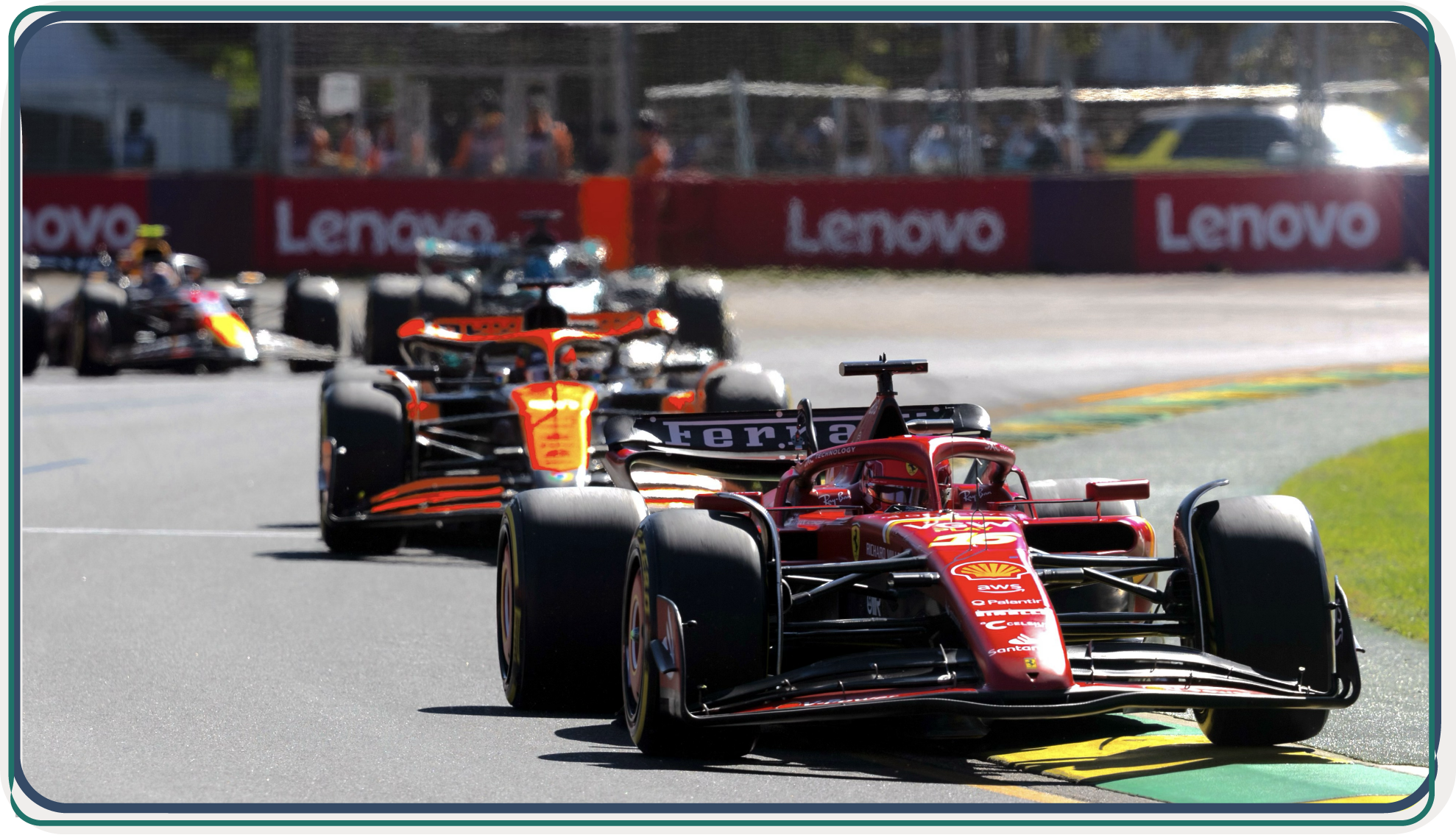
A well-defined AI Style Guide is essential for safe and effective AI usage. It empowers users to push the limits of performance responsibly, knowing they are operating within the established boundaries. In this context, the image becomes clearer. Risky maneuver or calculated move? Source: Dreamtime.
From High Risk to High Performance
This is where an AI Style Guide becomes mission-critical. A well-designed Guide translates policy into practice. It empowers users to experiment responsibly, understand platform behaviors, and adapt confidently in high-stakes scenarios.
A Race engineer offers assurance, guidance, and coaching. It translates the rigid guardrails into performance intentions. The AI Style Guide transforms AI from a wildcard into an intentional performer.
A strong AI Style Guide:
Supports individuals drafting content or building prompts.
Informs team collaboration, training, and review practices.
Shapes organizational norms for responsible and creative AI use.
Encourages transparency, trust, and alignment at scale.
Adapted from the book, Practical AI Style.
Let’s Build It
The playbook, Practical AI Style, is your race engineer. It offers practice, not theory. It offers assurance, not guessing. It offers coaching, not compliance. An AI Style guide provides the foundation to turn risk into reliability, chaos into clarity, and power into performance.
A Framework for Human-Centric Artificial Intelligence
Strategic AI Literacy
This post is part one of a series that lays out the core challenge of the AI era: the Dickensian paradox of high personal usage and low strategic return. To bridge this gap, organizations must move beyond the transactional “AI Vending Machine” and adopt the mindset of Assisting Intelligence, in which AI’s purpose is to augment human skill and judgment.
To learn more, visit: learn.assistingintelligence.com